

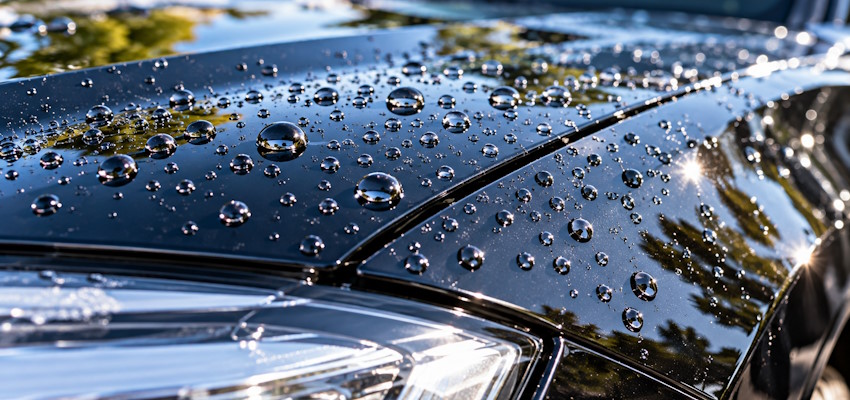
How to Maintain Ceramic Coating on Your Car
A professional ceramic coating can provide years of protection while giving your vehicle a deep, glossy finish and impressive water-repelling properties. But while ceramic coatings make your vehicle easier to care for, they aren’t completely maintenance-free.
Learning how to maintain ceramic coating properly can help preserve its hydrophobic properties, appearance, and protective benefits for as long as possible. Fortunately, maintaining a ceramic-coated vehicle doesn’t have to be complicated. A few good washing and maintenance habits can make a significant difference.
Whether you recently had your vehicle coated or you’re considering professional ceramic coating, here’s what you should know about keeping that protection performing at its best.
Why Does Ceramic Coating Need Maintenance?
Ceramic coating creates a durable protective layer that bonds to your vehicle’s exterior surfaces. Its hydrophobic characteristics help repel water and make it more difficult for dirt, road grime, and other contaminants to stick to the vehicle.
However, that doesn’t mean your car will never get dirty again. Road salt, pollen, dust, minerals, bugs, bird droppings, tree sap, and other contaminants can accumulate on top of the coating. Over time, this buildup can reduce water beading, gloss, and the coating’s overall performance.
Proper maintenance removes those contaminants without unnecessarily damaging or degrading the coating underneath.
How to Maintain Ceramic Coating: 8 Important Tips
1. Wash Your Vehicle Regularly
The most important part of learning how to maintain a car with ceramic coating is establishing a regular washing schedule.
Don’t wait until the vehicle is covered in heavy dirt and grime. Regular washing prevents contaminants from accumulating on the coating and makes each wash easier.
How often you should wash your vehicle depends on how much you drive, where you park, the season, and current road conditions. A daily-driven vehicle exposed to Connecticut winters, road salt, pollen, or frequent rain may need to be washed more often than a garage-kept weekend vehicle.
2. Use a pH-Neutral Car Shampoo
Choose a high-quality, pH-neutral automotive shampoo that is appropriate for ceramic-coated vehicles.
Avoid harsh household cleaners, dish soap, aggressive degreasers, and other chemicals that weren’t designed for automotive finishes. You generally don’t need an extremely aggressive cleaner to wash a properly maintained ceramic-coated vehicle.
The coating’s slick, hydrophobic surface should make ordinary dirt easier to remove with the proper washing technique.
3. Use a Safe Hand-Washing Technique
Even though ceramic coating can provide excellent protection, it does not make your paint scratch-proof. Poor washing techniques can still contribute to swirl marks and other imperfections.
Start by thoroughly rinsing the vehicle to remove as much loose dirt as possible. A foam pre-wash can also help loosen grime before you physically touch the paint.
When hand washing, use a clean microfiber wash mitt and quality automotive shampoo. Work methodically across the vehicle and avoid aggressively scrubbing the paint. Keep your wash media clean so you’re not dragging dirt across the finish.
For owners who prefer professional care, M&M also offers exterior car detailing designed to thoroughly clean and protect a vehicle’s exterior.
4. Be Careful With Automatic Car Washes
If you’re wondering how to maintain ceramic coating on a car for the long term, your choice of car wash matters.
Automatic washes that use rotating brushes or other materials that physically contact the vehicle can potentially introduce swirl marks and fine scratches. These defects may occur in the clear coat even when a ceramic coating is present.
A careful hand wash is generally the better option when maintaining a high-quality finish. If you need to use an automatic wash, a touchless wash eliminates the rotating brushes, although the chemicals used by touchless washes can sometimes be stronger than those used during a proper hand wash.
5. Dry the Car Properly
Don’t overlook drying. Allowing water to repeatedly air-dry on the vehicle can leave behind minerals that create water spots.
After washing, use a clean, soft microfiber drying towel or automotive air blower to remove remaining water. The hydrophobic properties of a healthy ceramic coating should make this process considerably easier because much of the water will bead and roll away from the surface.
Avoid rubbing the vehicle with old bath towels or other rough materials that could scratch the finish.
6. Remove Bird Droppings, Bugs, Sap, and Other Contaminants Quickly
Ceramic coating provides an additional barrier between environmental contaminants and your vehicle’s paint, but contaminants still shouldn’t be left sitting on the surface indefinitely.
Bird droppings, bug residue, tree sap, road grime, and similar substances should be removed as soon as reasonably possible using coating-safe products and techniques.
The longer aggressive contaminants remain on the vehicle, the greater the opportunity for staining, etching, or other damage.
7. Don’t Automatically Wax a Ceramic-Coated Car
Traditional waxing isn’t usually necessary when you have a professional ceramic coating. One of the primary advantages of ceramic coating is that it provides durable protection without requiring the frequent waxing associated with conventional paint protection.
In fact, putting an incompatible product over your coating can temporarily mask some of the coating’s hydrophobic characteristics.
If you want to enhance the coating between professional services, use a maintenance product specifically designed to work with your coating or follow the recommendations provided by your professional detailer.
Not sure how the two types of protection differ? Read our guide to ceramic coating vs. wax for a closer comparison.
8. Schedule Periodic Professional Maintenance
Even if you’re diligent about how to maintain your ceramic coating at home, periodic professional inspections and maintenance can help you get the most from your investment.
A professional detailer can evaluate how the coating is performing, safely remove accumulated contaminants, and recommend appropriate maintenance products or services.
This is particularly valuable when the vehicle has been exposed to months of harsh weather, road salt, heavy contamination, or other difficult conditions.
What Should You Avoid on a Ceramic-Coated Car?
Knowing what not to do is just as important as knowing how to maintain a ceramic coating. Some of the biggest mistakes include:
- Using dish soap or harsh household cleaning products
- Scrubbing the paint with abrasive brushes or sponges
- Using dirty wash mitts or microfiber towels
- Taking the vehicle through aggressive brush-style automatic car washes
- Allowing bird droppings, bugs, sap, or other contaminants to remain on the paint for extended periods
- Washing or drying the vehicle with dirty towels
- Allowing hard water to repeatedly dry on the surface
- Applying waxes, polishes, or chemicals without confirming they’re appropriate for your coating
What If Your Ceramic Coating Stops Beading Water?
Water beading is one of the easiest ways to notice a change in your ceramic coating’s hydrophobic performance. If an area that previously produced tight beads suddenly allows water to sit flat on the surface, don’t immediately assume the coating has failed.
Sometimes the coating is simply clogged or masked by accumulated road film, minerals, or other contaminants. A thorough, coating-safe cleaning may restore much of its hydrophobic behavior.
If cleaning doesn’t improve the performance, have the vehicle inspected by a professional detailer. They can determine whether the coating needs decontamination, maintenance, or reapplication.
Can You Polish a Ceramic-Coated Car?
Polishing is different from routine ceramic coating maintenance. Automotive polishing uses abrasives to remove a microscopic amount of material from the vehicle’s finish. As a result, polishing a coated vehicle can reduce or remove the ceramic coating in the areas being polished.
If your vehicle has developed scratches, swirl marks, oxidation, or other paint defects, talk with a professional before polishing it. Correcting the paint may require removing the existing coating, performing the appropriate correction, and applying new protection afterward.
How Long Can Ceramic Coating Last With Proper Maintenance?
The lifespan of ceramic coating depends on the specific coating, how it was applied, environmental exposure, how frequently the vehicle is driven, and how well the owner maintains it.
M&M Auto Detailing’s professional Ceramic Pro coating options are designed to provide multi-year protection, making proper aftercare especially important if you want to maximize that investment.
The key is consistency. Regular washing, safe drying, prompt contaminant removal, and professional maintenance when necessary can all help your coating continue performing as intended.
Keep Your Ceramic Coating Performing Its Best
Learning how to maintain ceramic coating on your car comes down to protecting both the coating and the paint underneath it. Wash the vehicle regularly, use coating-safe products, practice proper hand-washing and drying techniques, and address contaminants before they have a chance to sit on the finish.
If you’re considering ceramic coating or need professional help maintaining your vehicle, M&M Auto Detailing provides professional auto detailing and ceramic coating services from our Glastonbury, Connecticut facility.
Learn more about Ceramic Pro coating services in Connecticut or contact M&M Auto Detailing to discuss the right protection and maintenance plan for your vehicle.